
In the field of biomedicine, peptide has always played a vital role. A peptide is a compound formed by α-amino acids linked together by peptide bonds. It is an intermediate product of protein hydrolysis, its molecular weight is less than 10,000 Da. In recent years, the peptide drug semaglutide has attracted widespread attention. It has multiple effects, simulating the mechanism of action of a natural hormone in the human body. Semaglutide has excellent results in the treatment of diabetes. It can effectively lower blood sugar levels and reduce the risk of diabetic complications. It also shows great potential in weight management. It can help people lose weight and achieve healthy weight management goals by regulating appetite and increasing energy intake.
Truking Technologybiopharmaceutical manufacturingCenter - COE
Introduction to Peptide
Peptide drugs are short-chain protein molecules composed of amino acids, usually containing from 2 to 50 amino acids. a peptide can be classified into various categories based on source, structure, function, etc. Currently, more than 7,000 naturally occurring peptides have been identified. These peptides often play vital roles in human physiology, including as hormones, neurotransmitters, growth factors, ion channel ligands, or anti-infectives.
| Classification | Type | Examples |
|---|---|---|
| Source | Endogenous peptides | Hormones, neurotransmitters, growth factors |
| Source | Exogenous peptides | Snake venom, bee venom, seaweed |
| Structure | Linear | Insulin, growth hormone |
| Structure | Cyclic | α-fish peptide, cyclic citrullinated peptide |
| Function | Hormonal peptides | Insulin, growth hormone, cortisol |
| Function | Antimicrobial peptides | Cecropin, melittin |
| Function | Antioxidant Peptides | α-fish peptide |
| Biological type | Animal Peptides | Collagen peptide, thymosin, keratin |
| Biological type | Plant-derived peptides | Soy Peptide, Wheat Peptide, Ginseng Peptide, Walnut Peptide |
| Scope of application | Medicine | Antitumor peptides, antiviral peptides |
| Scope of application | Health products | Cytokine-mimetic peptides |
| Scope of application | Cosmetics | Signal peptides, neurotransmitter inhibitory peptides |
GLP-1 (glucagon-like peptide-1) is a 37 amino acid peptide that regulates insulin production and secretion but has a very short half-life in the body. Following attempts to modify its sequence to increase the stability of this hormone while maintaining its activity and pharmacological action, semaglutide was developed, which is a novel long-acting GLP-1 receptor agonist (GLP-1RA). Its structure is 94% homologous to natural GLP-1. Not only does it exert the physiological effects of GLP-1, but it can also prolong the half-life of GLP-1 by inhibiting the DPP-4 enzyme and increasing its concentration and duration of action in the body. The peptide drug market occupies a unique pharmacological space between small molecule drugs and biologics. Insulin and its analogues account for approximately half of peptide drug sales, demonstrating its dominance in this area. This was followed by a series of important peptide drugs, such as the GLP-1 receptor agonist semaglutide. According to the first quarter 2024 results announced by Novo Nordisk, total revenue was US$9.436 billion, up 24% year-over-year. The semaglutide market size is estimated at US$21 billion in 2024 and is expected to reach US$33 billion in 2029.
Semaglutide production technology and solutions
Peptide production includes biosynthesis methods (natural raw material extraction method, enzymatic hydrolysis method, fermentation method, genetic recombination method) and chemical synthesis methods (liquid-phase synthesis method and solid-phase synthesis method). The production of semaglutide mainly involves pure chemical synthesis method and synthetic biological fermentation method (also known as semi-recombinant method). The synthetic biological fermentation method mainly uses yeast or Escherichia coli to ferment the main peptide chain of the drug (or the so-called GLP-1 precursor analogue peptide), extract and purify the precursor peptide in a fermentation broth, modify the lysine at position 26 of the GLP-1 backbone through enzymatic cleavage or other methods, and then connect it to the N-terminal amino acid overhang containing non-protein amino acids to obtain the active semaglutide molecule. Compared with traditional chemical synthesis methods, the synthetic biological fermentation process eliminates production bottlenecks and is more suitable for large-scale continuous production. It can effectively overcome the problems of productivity limitation caused by the complexity and scale-up of chemical synthesis. Secondly, this method shows significant advantages in cost control. By optimizing the biological fermentation process and exploiting the efficient biosynthetic capabilities of microorganisms, production costs can be further reduced, thereby providing a more obvious improvement in economic benefits.
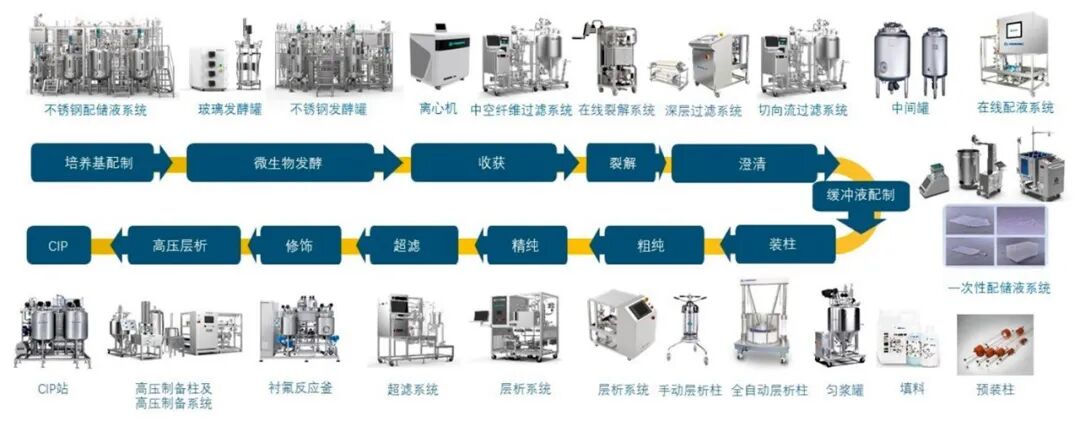
fermentation
To produce semaglutide, fermentation of Escherichia coli can be used to produce the semaglutide backbone peptide chain. Factors affecting the production of active semaglutide by Escherichia coli fermentation mainly include culture medium preparation, strain screening, fermentation temperature, fermentation time, dissolved oxygen, feeding strategy, etc.
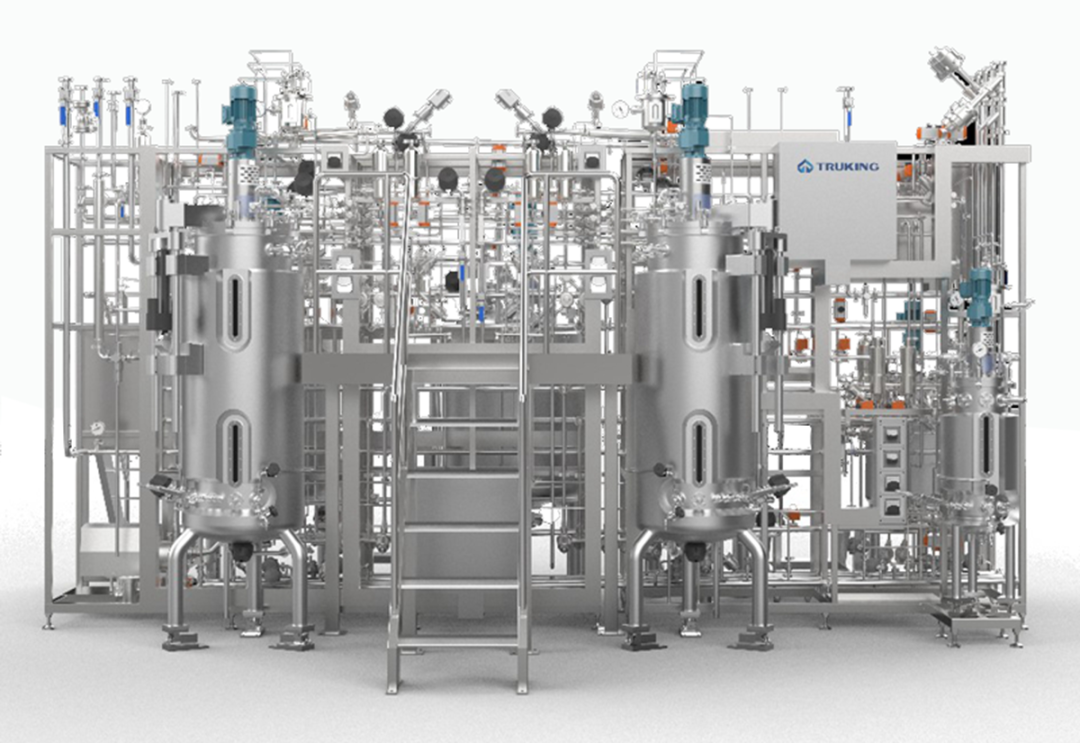
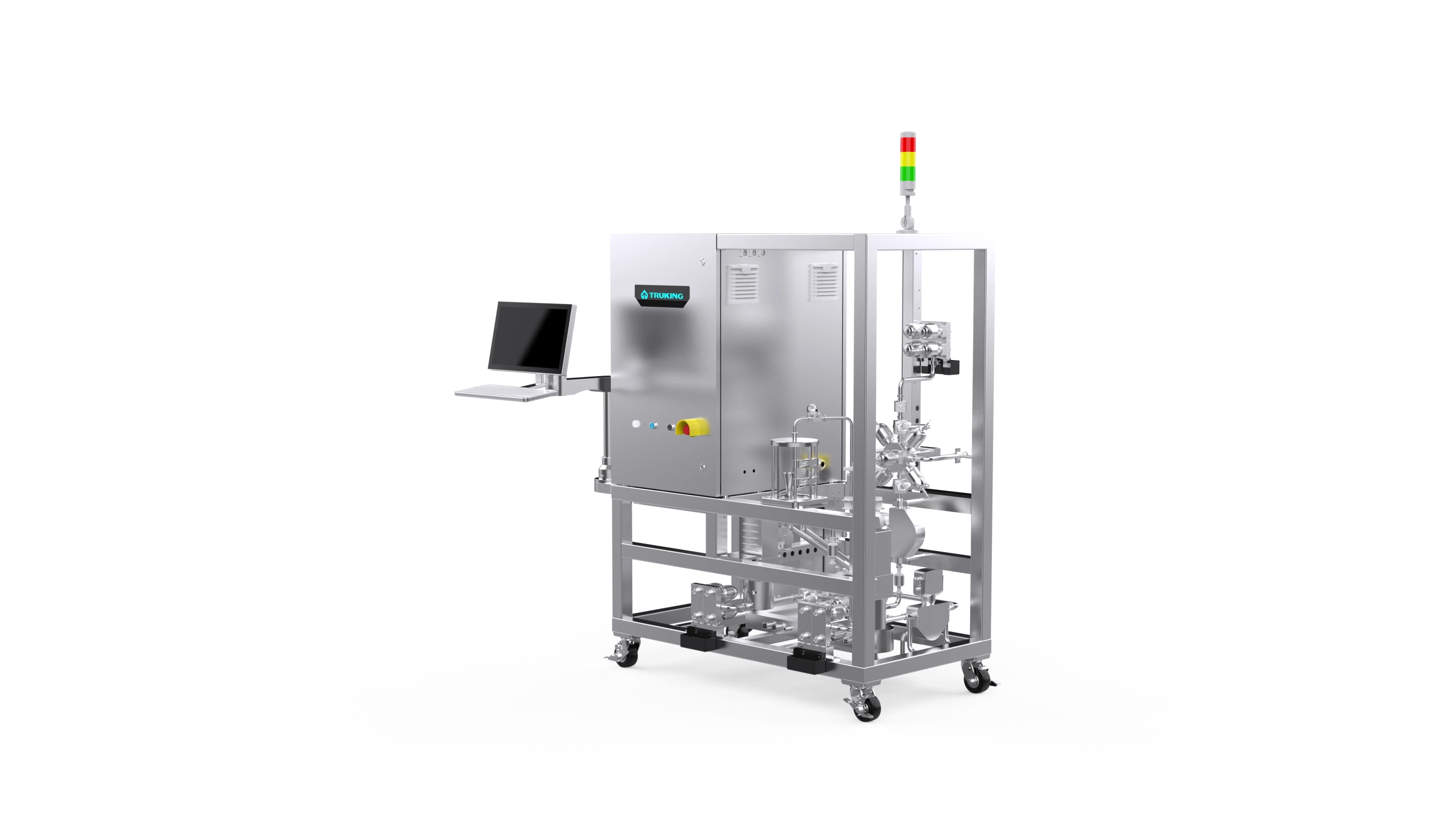
Truking Technology Stainless Steel Fermentation System
Since the control conditions in the microbial fermentation process are relatively harsh, intermediate metabolites and end products of the fermentation metabolism process make it difficult to isolate and purify the target active peptide, so effective control of the bioprocess is very necessary. The combination of Truking Technology's fermentation system sensor and process control software allows direct, real-time monitoring of bioprocess parameters and complete, effective process control. In addition, sufficient oxygen can inhibit certain anaerobic metabolic pathways, making the metabolic flux more prone to form the target product, thereby increasing the efficiency of synthesis of the target peptide. Thus, in large-scale fermentation systems, improving or optimizing the efficiency of oxygen supply is of great importance to increase the yield of the peptide product. Truking Technology's fermentation system is equipped with an efficient and flexible ventilation system and a proprietary magnetic stirrer to effectively solve this problem.
Collection of bacteria - lysis - clarification - concentration
In large-scale production, after fermentation is completed, bacteria can be collected by continuous centrifugation, hollow fiber tangential filtration systems and other equipment, all of which have the advantages of fast speed and high efficiency, and are suitable for extracting bacteria. Once the bacteria are harvested, the expressed precursor GLP-1 peptide must be released through cell lysis and other methods. This step should not only ensure efficient disruption of the cell wall and membrane structure, but also minimize damage and denaturation of the target protein. Control cell lysis, fragmentation and clarification conditions, such as temperature, pH, time and pressure, to avoid overly harsh conditions that could lead to protein inactivation or degradation. After lysis is completed, centrifugal equipment combined with tangential flow microfiltration system can be used to separate and purify the feed liquid to achieve solid-liquid separation and clarification to achieve the advantages of good transparency and high production efficiency of the collected supernatant. The feed liquid can then be concentrated to a certain extent using an ultrafiltration system for subsequent purification.
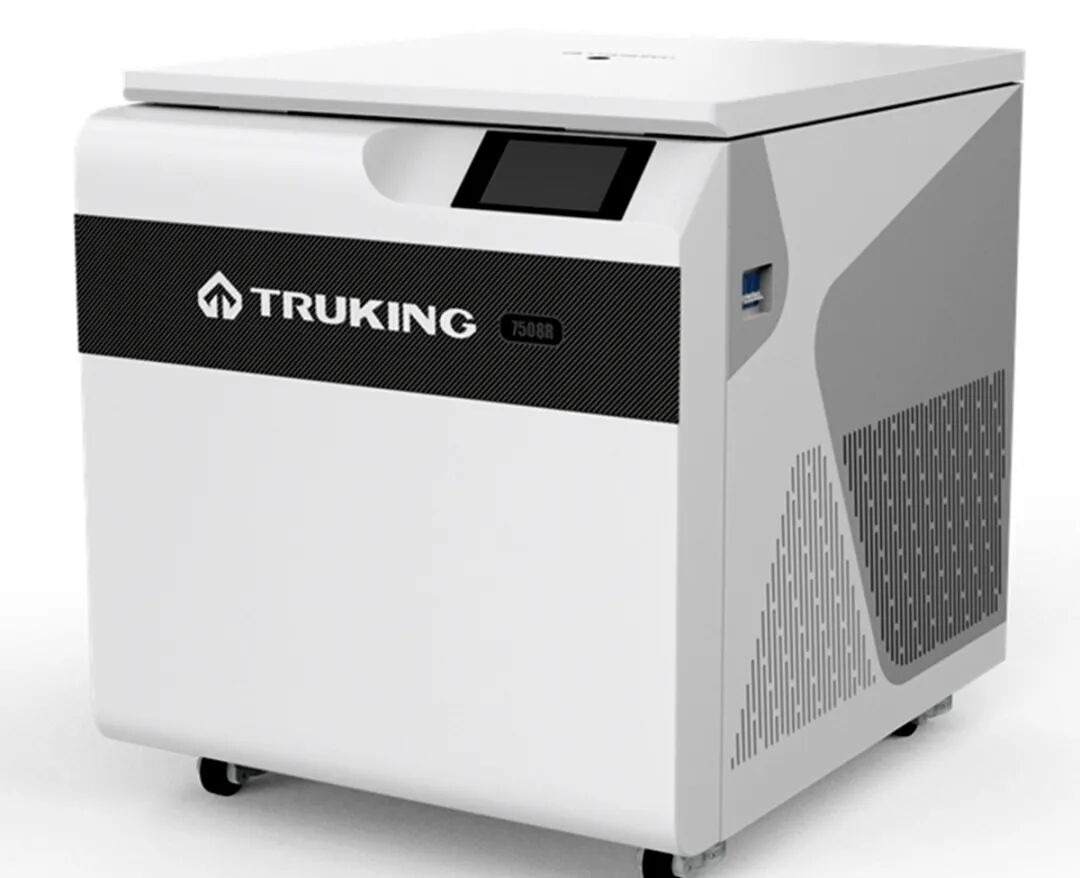
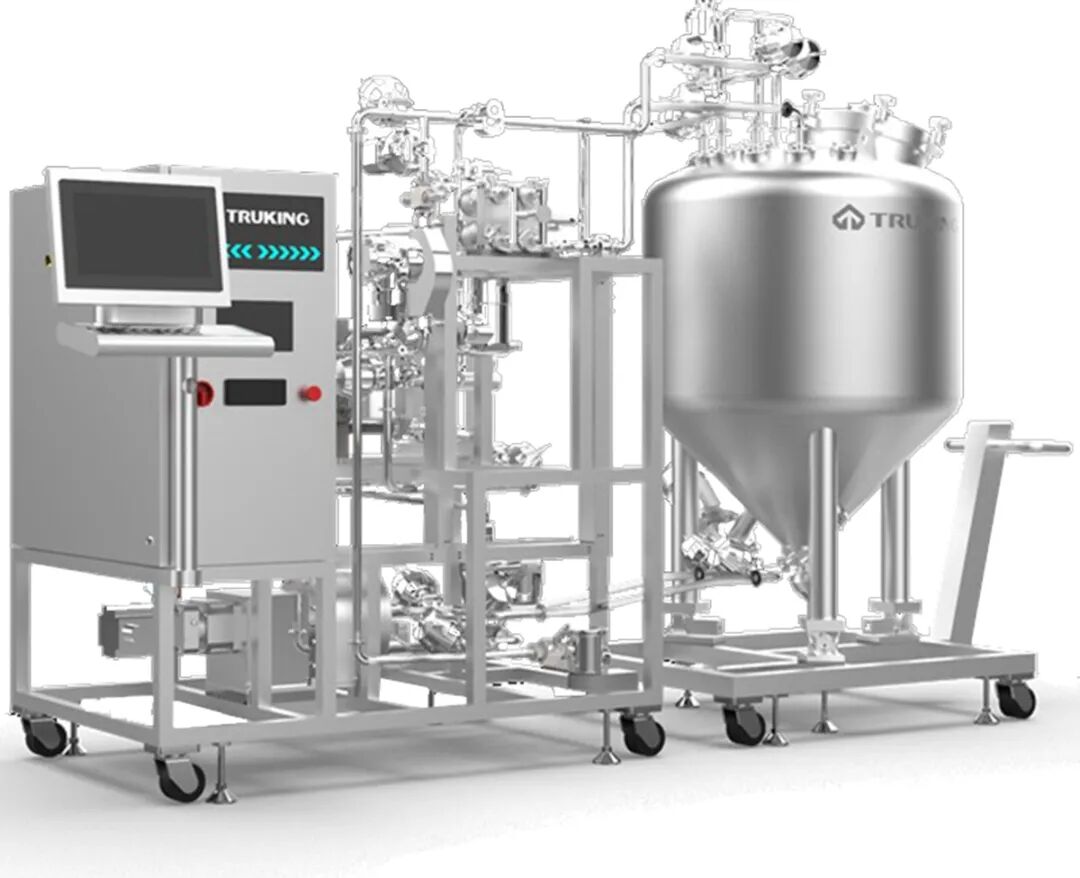
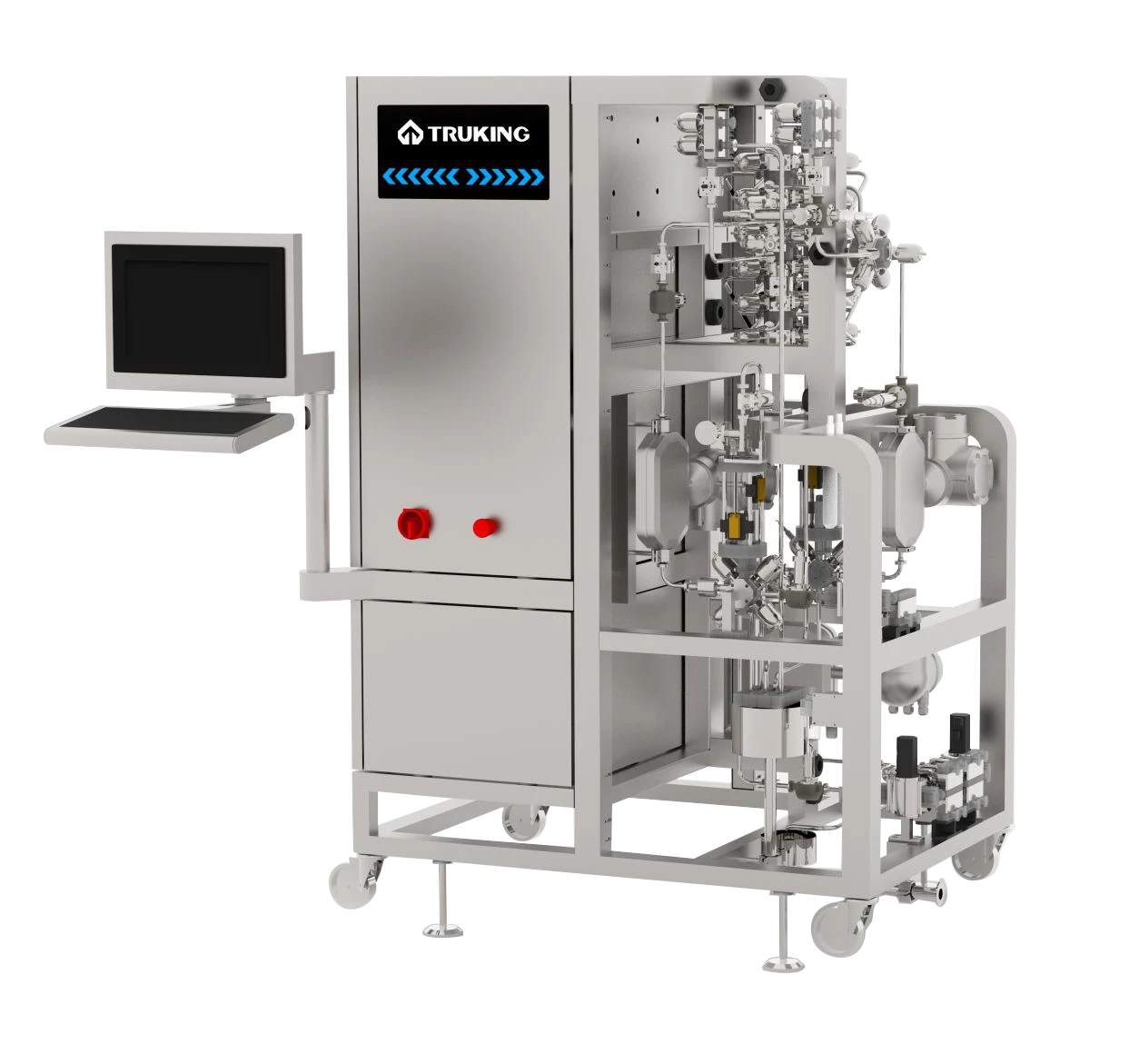
Truking Technology Centrifuge and Ultrafiltration System
In addition to sensors for real-time monitoring of temperature, pH, etc., Truking Technology tangential flow microfiltration system and ultrafiltration system are also equipped with automatic proportional control valves, which can automatically control and adjust TMP.
Purification of precursors
After pre-treatment of the starting liquid, the precursor peptide can be separated and initially purified using multi-stage chromatography coupled with multi-stage ultrafiltration. Commonly used chromatography methods include affinity chromatography, ion exchange chromatography, size exclusion chromatography, etc.
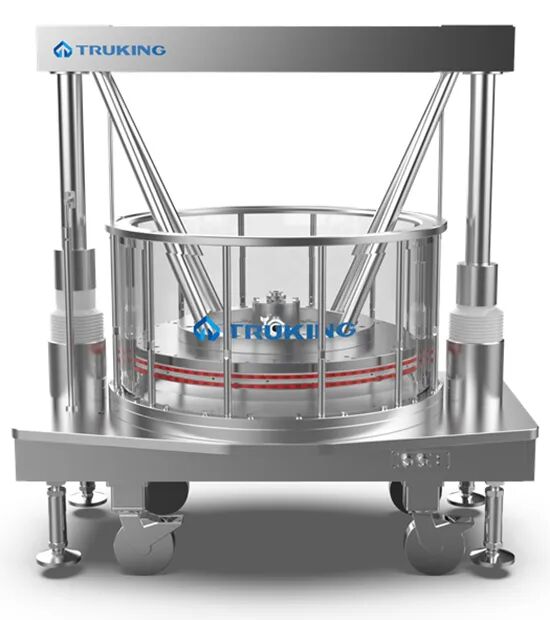
Center of Excellence
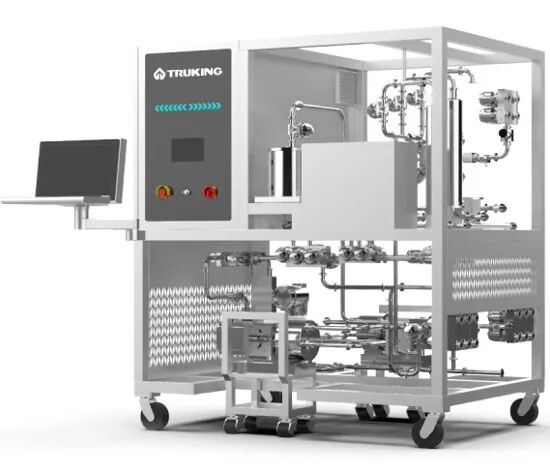
Truking Technology fully automatic chromatography column and low voltage chromatography system
Truking Technology can provide customized complete solution for chromatography equipment, including fully automatic chromatography system, automatic/manual chromatography column, column packing workstation, homogenization tank, packing machine, etc.
Modification and purification high pressure chromatography
The use of peptides is often hampered by poor permeability, poor oral bioavailability, and poor in vivo stability. However, extensive research into peptide modifications may overcome these limitations. Peptide modification is an important medicinal chemistry technique aimed at improving the biological activity, stability and solubility of peptides, as well as achieving selectivity of peptide drugs. The resulting precursor peptide is modified through chemical reactions such as chemical modification of amino acids, coupling reaction, etc. to form the final structure of semaglutide to ensure biological activity and stability of the product. Finally, the impurities are removed using a reverse phase high pressure chromatography system to obtain purified semaglutide.
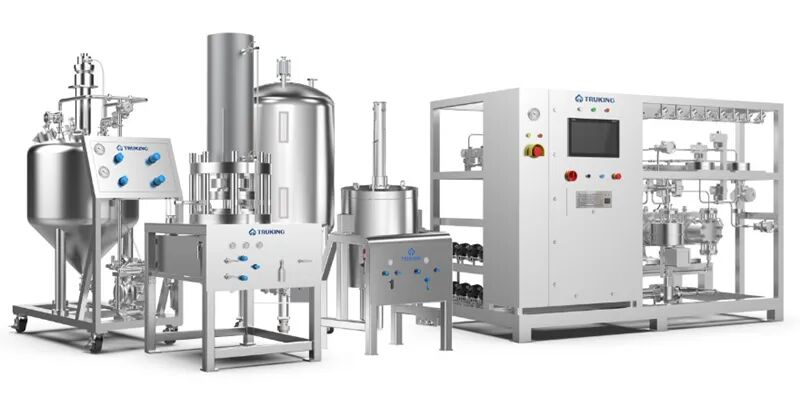
Truking Technology High Pressure Treatment Column and High Pressure Treatment System
Truking Technology's high-pressure preparation column and high-pressure preparation system adopt its own patented technologies such as spring seal without hydraulic cylinder, without high pressure and homogenate feeding method, which greatly improves the production safety and column packing efficiency. Scientific research and clinical practice continue to deepen, and manufacturing technologies become more mature. In the future, the applications of peptide drugs will continue to expand, and new types of peptide drugs will be released. Among them, the share of innovative medicines will increase significantly. The potential for development of the industrial chain market is enormous. Truking Technology continues to pay attention to the development trends and needs of the peptide industry and has created a complete system of technological research and production equipment. It will also continue to provide high-quality, customized, integrated process and equipment solutions for the peptide and various other biopharmaceutical industries.
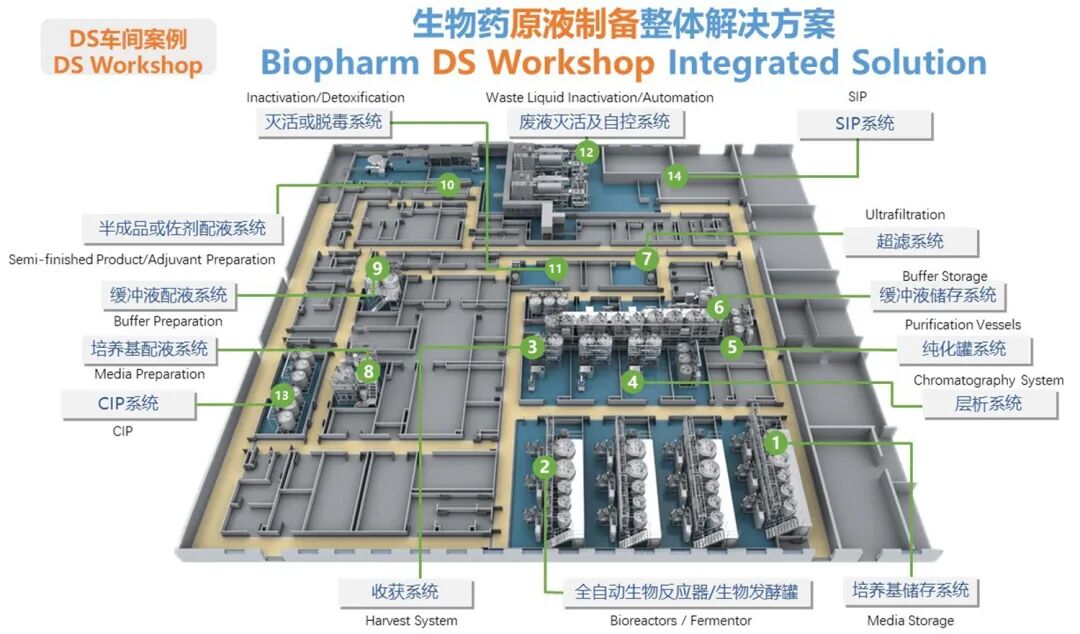
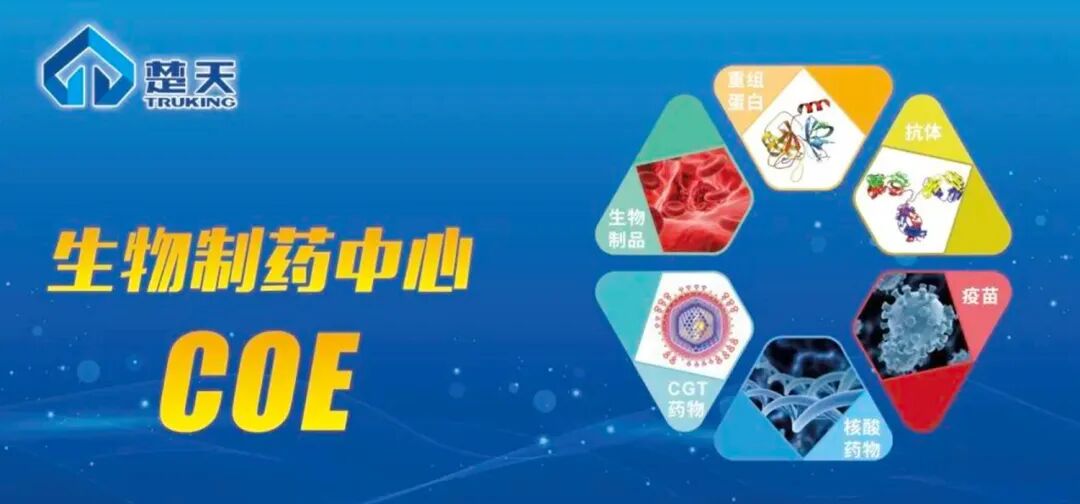
Truking Technologybiopharmaceutical manufacturing center
abbreviation
center of excellence
COE
Center of Excellence
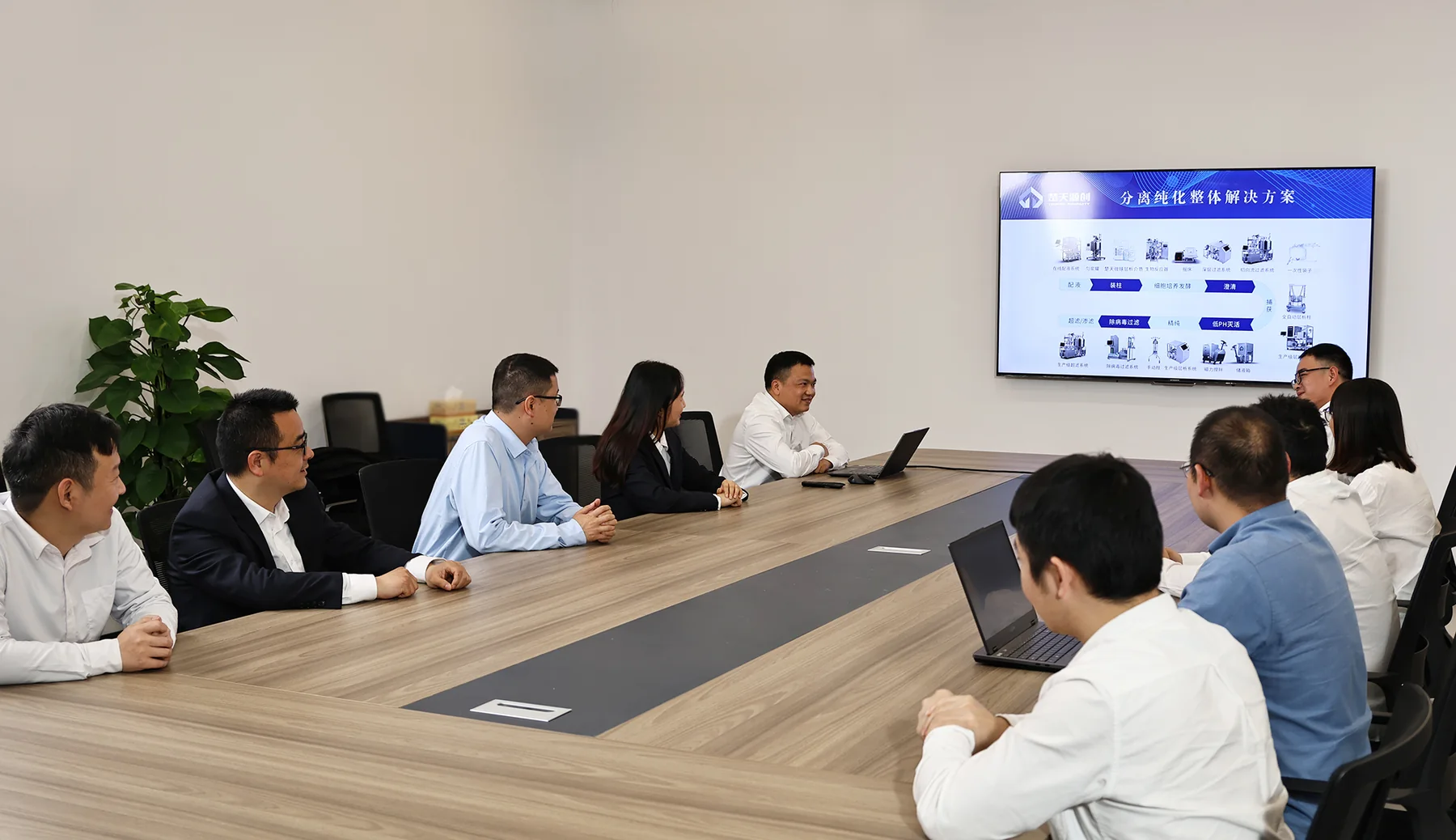
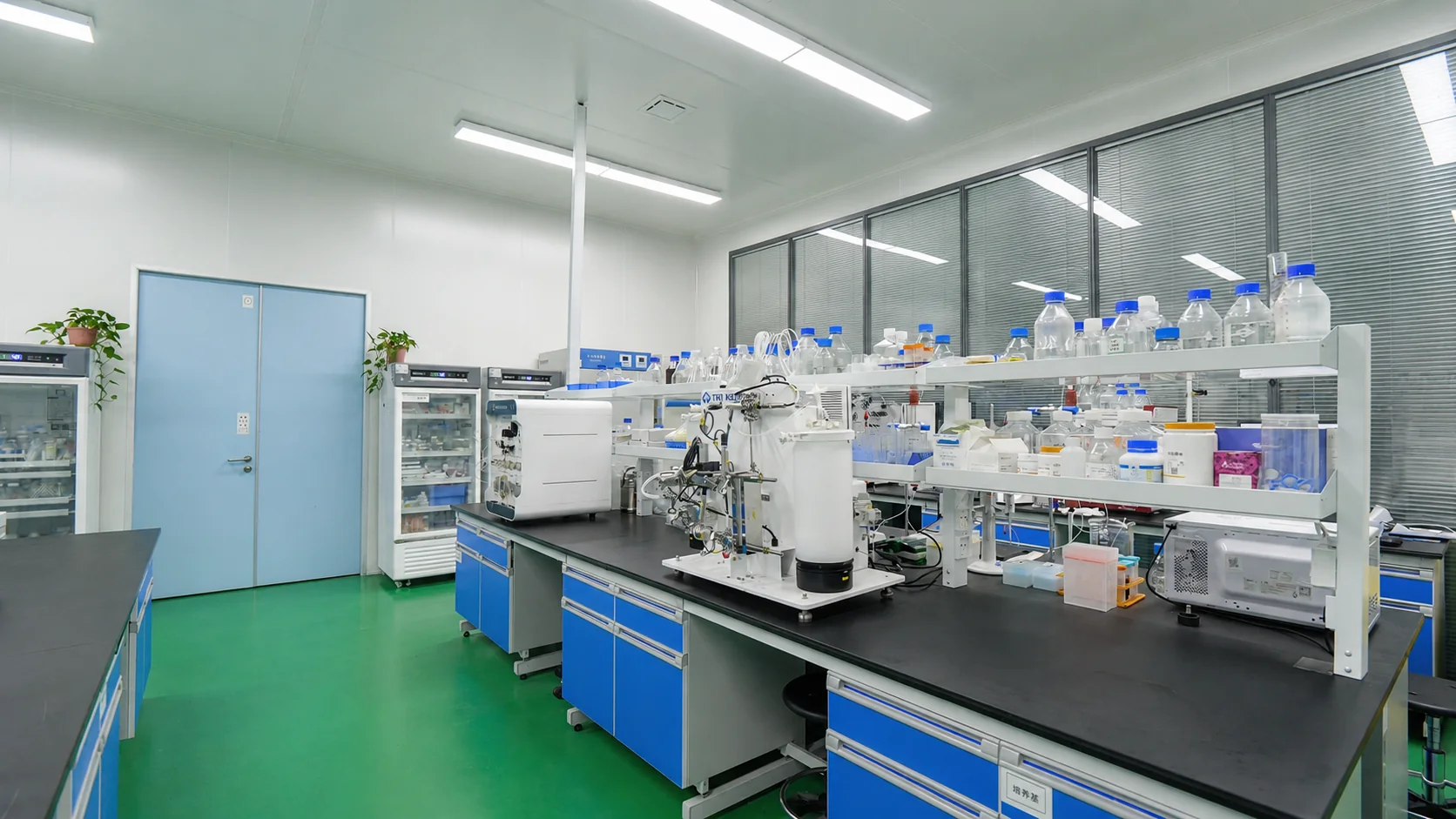
Truking Technology's Center of Excellence (COE) specializes in biopharmaceutical manufacturing process development and scale-up, process consulting services, and new pharmaceutical equipment development, testing and validation. He can perform work connecting R&D platforms with pharmaceutical companies and research institutes, as well as solving key process development and manufacturing challenges for biopharmaceutical clients around the world. COE is equipped with advanced process development and pilot equipment, and has a professional team consisting of many process experts who have been active in the biopharmaceutical manufacturing industry for many years. He can assist enterprise clients with technical consultation, process development, product training and problem solving, and facilitate the rapid development and transformation of the biopharmaceutical project. COE has small technology laboratories, analytical testing platforms, single-use process platforms, biopharmaceutical manufacturing pilot platforms, pharmaceutical process planning and other technology platforms, and provides solutions from research and development to manufacturing for antibody, vaccine, gene and cell therapy, recombinant protein drugs, nucleic acid drugs, blood products and other areas.
For more information about Truking Technology, click on the title link below.
Features of the design and use of disposable dosing systemsTruking Technology Multifunctional Extraction TankUsing medicine as a source to create more value for the food and pharmaceutical industries.Truking TechnologyLAB LIOTK experimental type lyophilizerSuitable for use in many fields such as medicine, food industry, biology and cosmetics.Trucking TechnologyFully automatic high speed injection pen assembly line delivered perfectlyResearch on the inner core of injection pen--Technology for monitoring pre-filled needles and cartridgesSmart futureTruking Technology Cartridge Filling and Capping Line AnalysisChutianpaite leverages its over 20 years of peptide technical advantages.Cooperate with Truking Technology on ecology production chain to create a complete peptide solution.